Case study · Deloitte · Converge for Restaurants
Operationalizing a design system for humans and AI agents.
- Role
- Design systems engineering, token architecture, AI tooling and governance
- Date
- 2025 – ongoing
- Client
- Deloitte Converge for Restaurants
- Design system in Figma
- Grecia Gabriel and Rebecca Bradley
How do you make a design system that AI tools and agents actually use, instead of approximating it?
Challenge
A polished Figma design system was being bypassed the moment PMs prototyped with AI tools. It lived where those tools couldn’t reach.
Contribution
React implementation of the library, token architecture, a published npm package, a component playground and the governance model for AI tooling.
Constraints
NDA-bound enterprise context; components must render safely anywhere; rules must be unambiguous enough for an agent to follow.
Outcome
A published package and Figma Make Kit, adoption across teams, and an independent review layer that keeps AI-generated UI on-system.
In numbers
2
AI entry points, one governance model
3
independent auditors on every component
2.37:1
the warning contrast we caught; WCAG asks for 4.5:1
The problem
The design team already had a strong system in Figma: well-crafted components, clear visual foundations and a mature library. That work belonged to Grecia Gabriel and Rebecca Bradley, and it was solid.
The problem appeared when product managers started using Claude Code and Figma Make to explore ideas with clients. The system was no longer part of the conversation. Not because it was poorly designed, but because it lived somewhere those tools could not reach.
Exploration got much faster. Consistency dropped just as quickly. Demos no longer shared the system’s visual language, interaction patterns or UX principles. Every PM was reinventing the wheel, and the design system became decorative: present, but out of reach for anything AI could use.
Why a strong system wasn’t enough
Figma Make can bring a real design system into AI-generated prototypes through Make Kits: a component package, the tokens and styles from a Figma library, and usage guidelines, so generated screens use the real system instead of an approximation.
The catch: a Make Kit can’t be built from a Figma file. It needs a published React package first. Only then can it become part of a Make Kit, and only then can guidelines be layered on top.
The system was strong in Figma, but nothing AI used could consume it. It needed to become code.
My contribution
I took the system the team had built in Figma and led its translation into a working code package, the prerequisite a Make Kit needs.
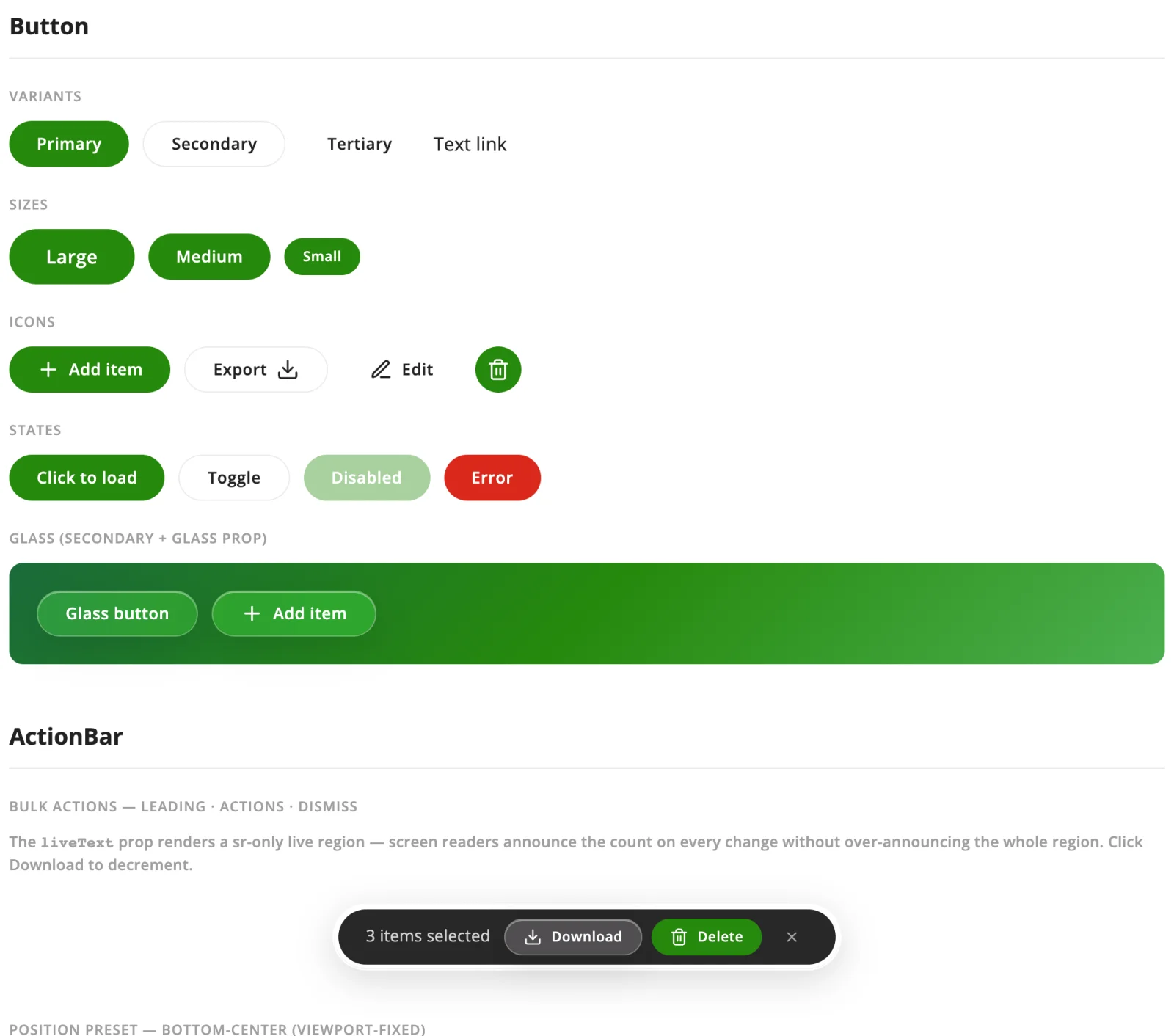
That meant implementing the component library in React, designing the token architecture, publishing it as an npm package and building a playground where the system could be explored and validated component by component before reaching wider teams.
Building the code was the vehicle. Governing it was the real challenge.
The decisions that hold it together
A package consumed by agents only works if its rules don’t depend on human judgment. A skilled designer can navigate ambiguity; an agent does exactly what its rules allow. So the rules had to be right before they were exposed.
Brand color is scarce.
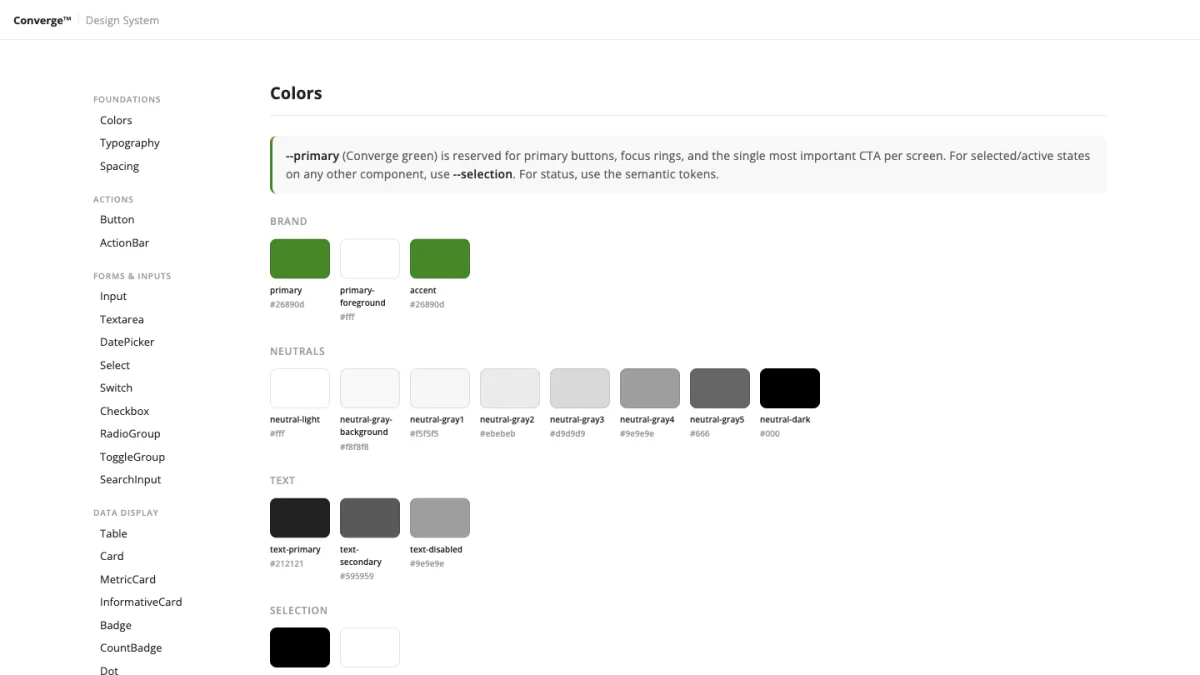
The Deloitte green is reserved for the single most important action and its focus rings, nothing merely active or selected. It depends on a token, not on taste, so an agent can apply it without ambiguity, and rebranding stays clean.
Contrast is measured, not assumed.
The warning color looked acceptable. Measured, it was 2.37:1 against the 4.5:1 WCAG asks for. Warning text now uses a darker token that passes, and the rule lives in an automated review layer, not just in the docs.
The system doesn’t touch what it doesn’t own.
Components render in unfinished prototypes and legacy apps full of CSS, so the package never styles raw HTML globally. No bare h1, body or button selectors; each component ships its own scoped reset.
Tokens are contracts.
Token names map directly to Figma, quirks included. The designer reading the library and the engineer or agent reading the code see the same concepts. Changing a token without agreement breaks something people already built on.
The real challenge was organizational
PMs needed to explore ideas with clients using AI without turning those explorations into disconnected, inconsistent, hard-to-maintain experiences.
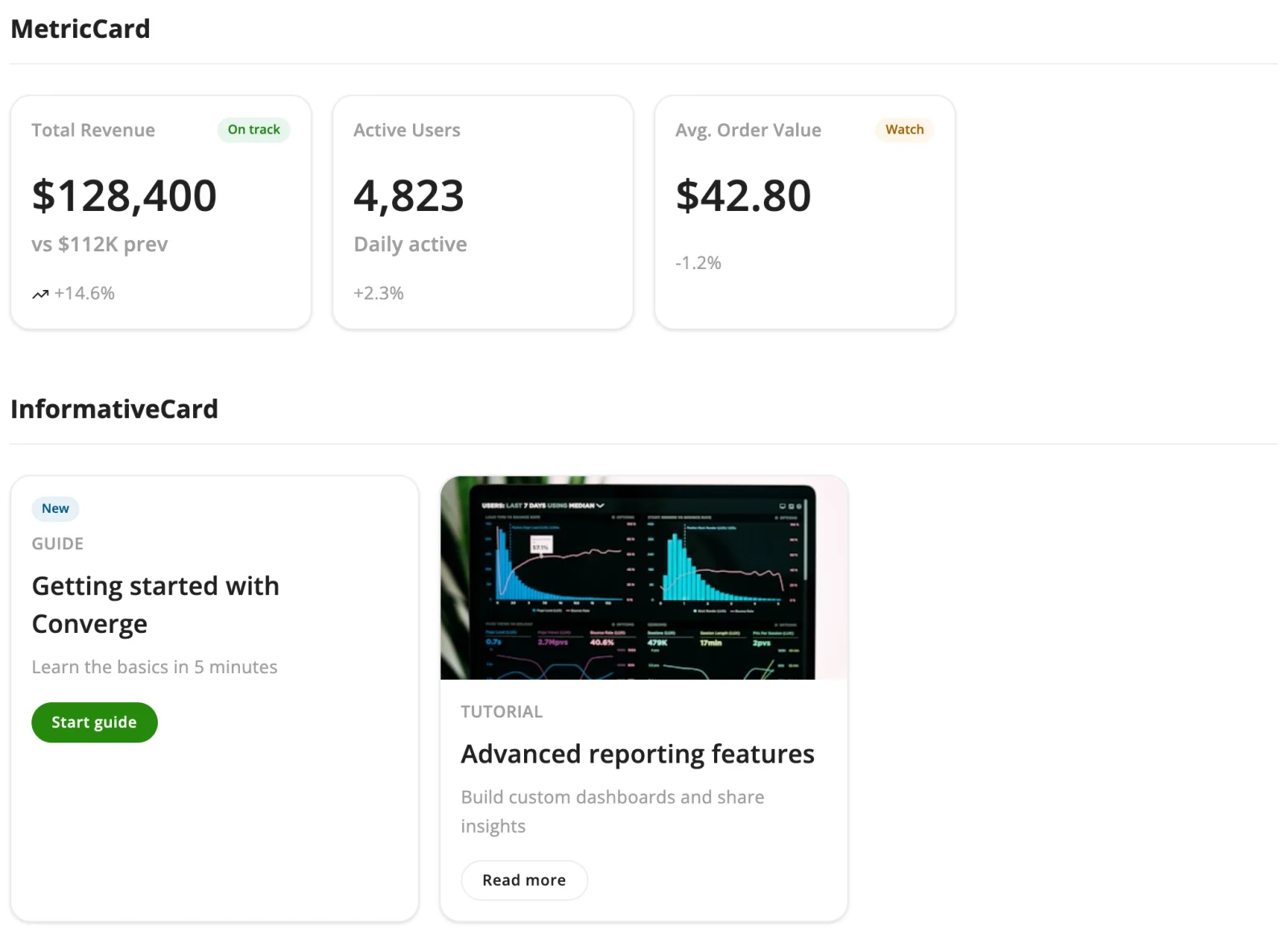
The answer wasn’t to limit exploration but to give it structure: a controlled environment, real production components in a playground, a set of guiding principles, and a process where explored concepts return to the design team for refinement before they reach production.
One system, two entry points
Once the package existed, it had to reach the two environments where people and agents actually work.
Figma Make
Through a Make Kit: the npm package, the tokens and variables from Grecia and Rebecca’s library, and usage guidelines on top, so Figma Make knows which components exist and when to use them. PMs now prototype with the same components engineers ship.
Claude Code
Through a CLAUDE.md with the architecture and hard rules, plus reusable skills for building, validating and documenting components. Three read-only auditors review every component in parallel: tokens, accessibility with measured contrast, and QA.
Generation is fast and confidently wrong. Discipline lives in a review layer with no incentive to approve its own work.
Early outcomes
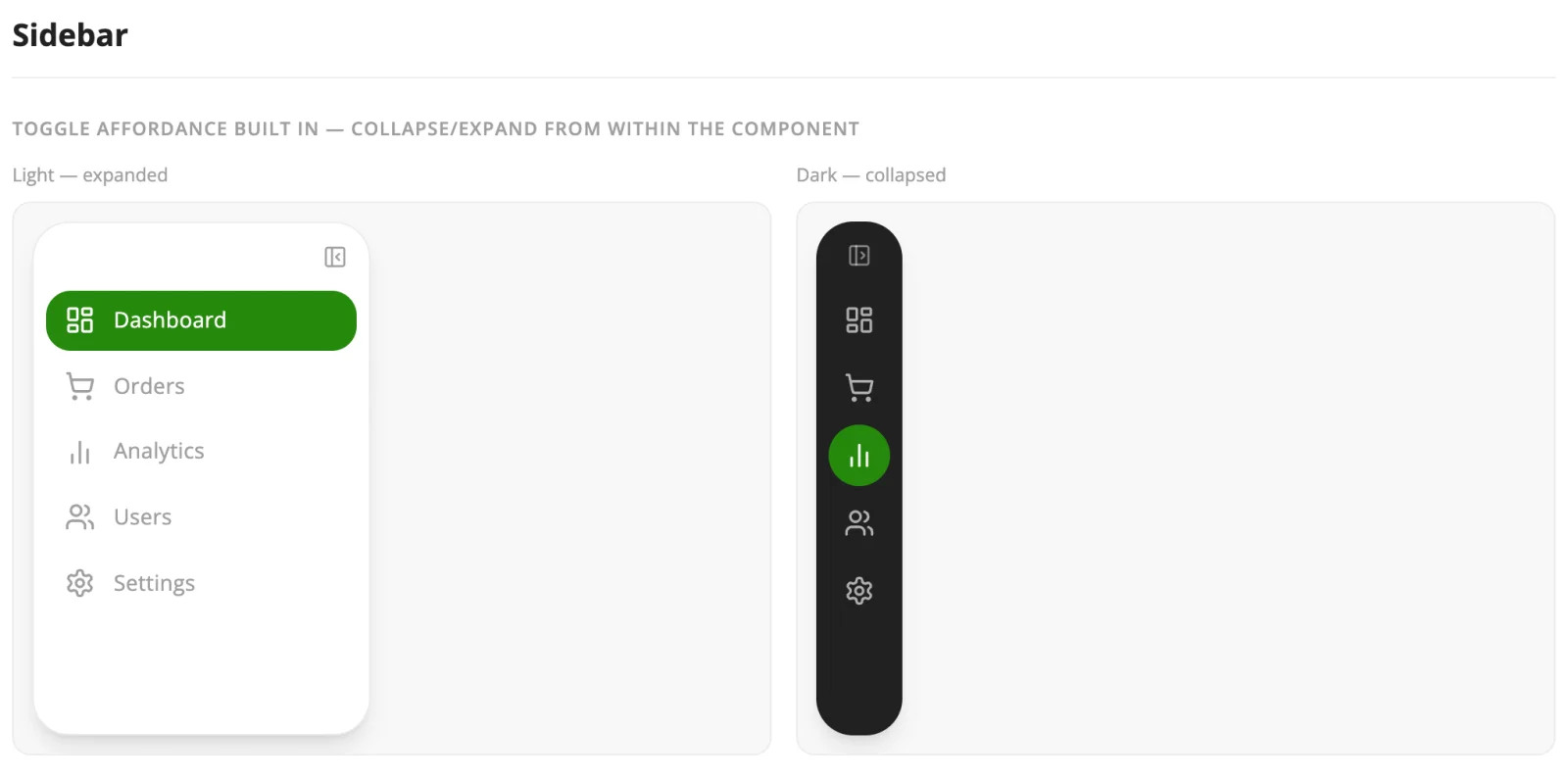
The system keeps evolving, but it has already produced a working Make Kit for Figma Make, a published npm package consumed across teams, knowledge-transfer sessions for teams working with Claude Code, and a roadmap for wider adoption.
The most meaningful outcome has been cultural. The conversation moved away from whether AI replaces design work, toward how design defines the principles and rules that let quality scale when more and more screens are generated with AI.
Reflection
Once anyone can generate a screen in seconds, the leverage moves from drawing screens to encoding the rules that keep thousands of them coherent.
This is the short version. The full story covers why the Figma library wasn’t enough, how the package was built, and how it reaches Figma Make and Claude Code.